Boutique vs Mega-Township: Why 374 Homes on 4.7 Acres Is Deliberate
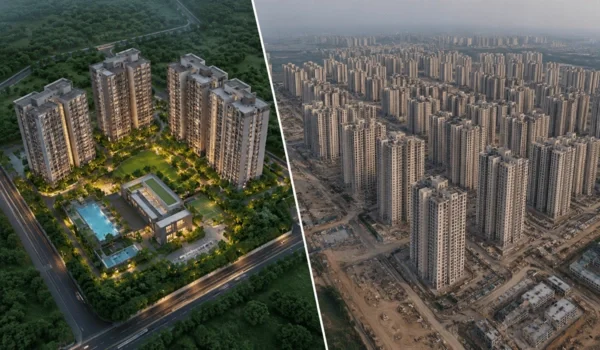
Featured Image of Boutique Vs Mega Township: Why 374 Homes On 4 7 Acres Is Deliberate


Boutique housing projects with 374 homes on 4.7 acres give buyers a larger share of land ownership and a quick 36-month construction timeline. Huge 50-acre townships often take 10 years to finish because they are built in slow, separate stages. This smaller 4.7-acre size means fewer families share the space, so the clubhouse and pool never get crowded. Every buyer gets a larger piece of the actual ground plot, which helps the property value grow much faster over time. You also avoid the non-stop dust, heavy trucks, and loud construction noise that come with giant projects. Choosing a smart, mid-sized community ensures a peaceful home, steady rental income, and a faster path to moving in.
The Strategic Shift: Why Smaller Communities Beat Mega-Township Crowds


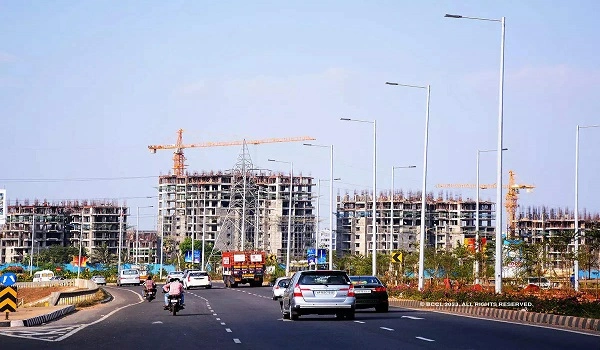
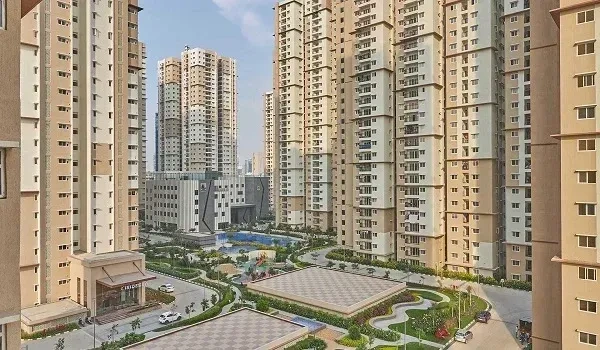
Boutique projects with 374 homes on 4.7 acres give you a quiet neighborhood and clean utilities because all building work finishes at the same time. Giant townships force their very first buyers to live next to loud construction sites for over 10 years while they build new phases. This smart layout keeps the density low at just 79 homes per acre, so water pipes and power lines never break down from overload.

Property Feature Boutique Project (4.7 Acres) Mega-Township (50+ Acres)
Homes Per Acre 79 homes 150+ homes
Building Time 36 to 48 months 96 to 120+ months
Land Share (UDS) High share per family Low diluted share
Amenities 100% ready at move-in Delayed by years

Buying a home on a clean 4.7-acre plot protects your money if a developer runs out of cash on larger sites. The best part of your investment is a high Undivided Share of Land (UDS). This legal land share secures your long-term wealth even as the concrete building gets older.

Smart Layouts: Better Spaces on Focused Plots of Land


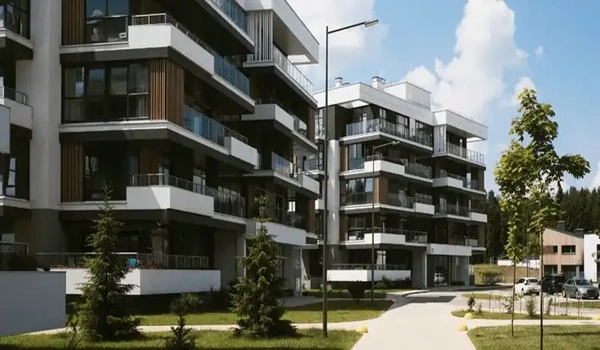
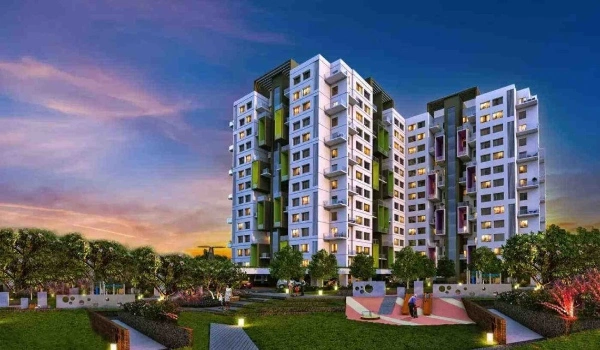
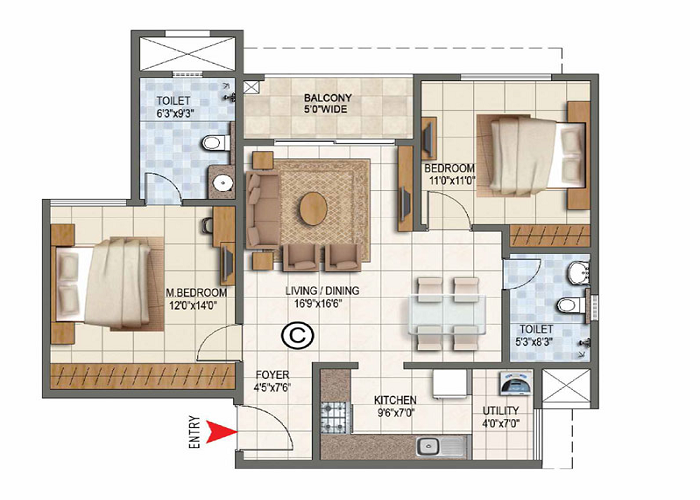
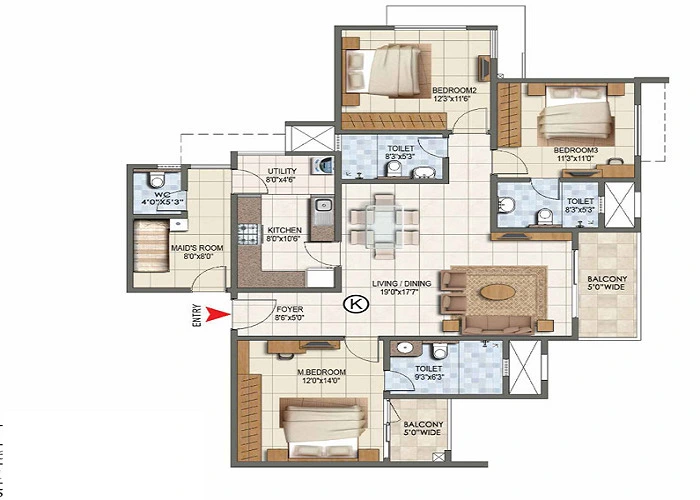
Limiting a 4.7-acre plot to exactly 374 flats allows engineers to open up 75% of the land for green parks and fresh air. Builders do not need to waste money on massive, multi-level basements or ultra-tall towers. Instead, they can spend that money on better indoor materials and larger windows. This leaves plenty of ground space for wide walking paths and safe play areas for children.

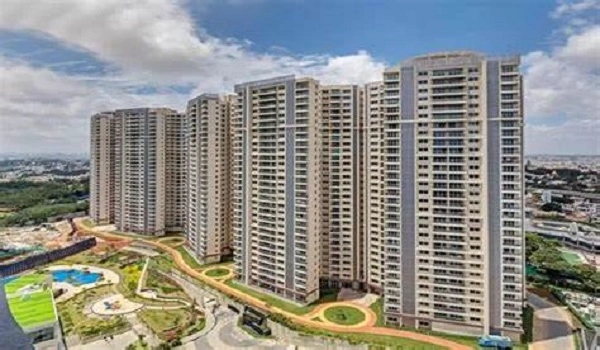
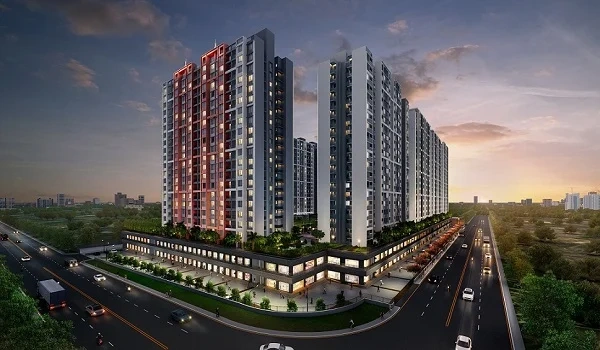
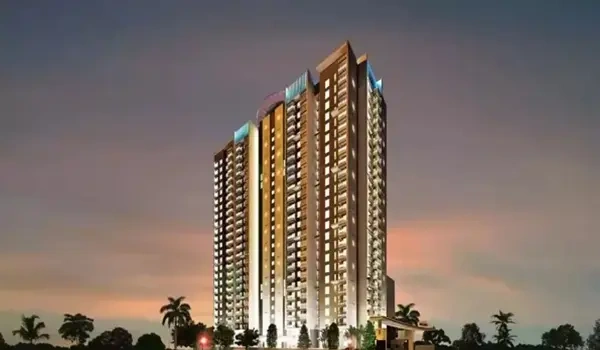
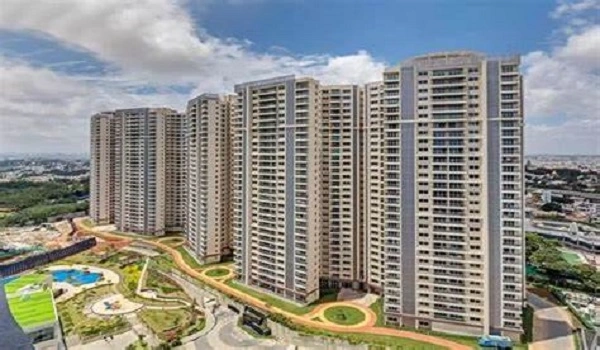
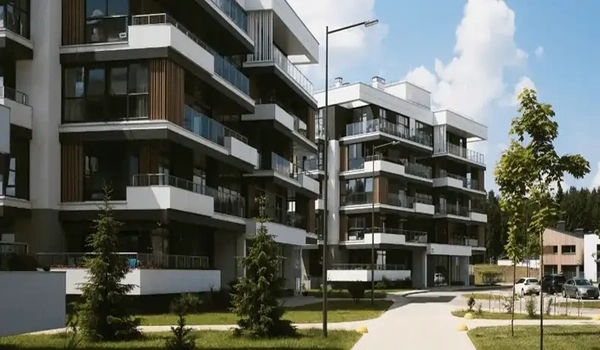
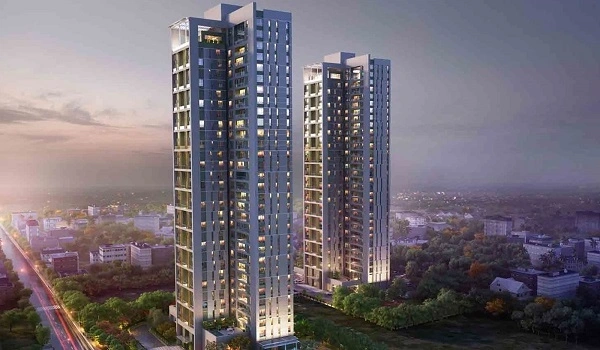
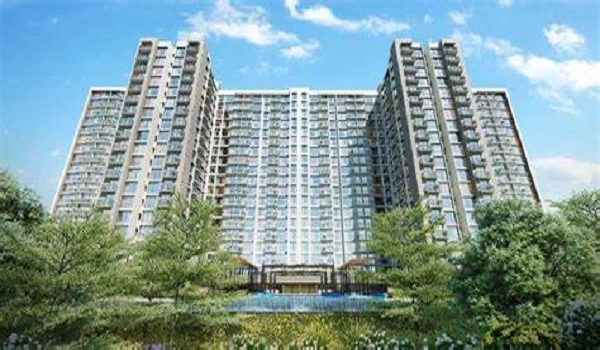
This exact design strategy is highly successful in busy tech hubs. For example, Arvind Skycrest on Bannerghatta Road in South Bangalore uses this smart layout by placing 333 luxury homes across 4.32 acres. This gives families 75% open space and clear lake views across 5 high-rise towers that stand 17 floors tall. Real projects like this prove that keeping a property under 5 acres allows builders to include premium features like grand double-height lobbies and vehicle-free central walks.

  • Cooler Ground: Fewer concrete towers mean the ground absorbs less heat and stays cooler in the summer.
  • More Fresh Air: Large green gaps between the buildings let wind flow freely through every single room.
  • Fast Lifts: Fewer families sharing a floor means you wait 40% less time for an elevator.
  • Good Utilities: On-site water treatment systems handle daily needs without any regular breakdowns.

Small neighborhoods ensure that backup power systems and water pumps never fail from overuse. The lack of outside traffic keeps the walking paths safe and completely quiet for your family.

Financial Growth: Higher Land Share and Better Rental Income


Boutique properties earn 15% higher rental returns because a limited number of homes creates natural scarcity near big office parks. Landlords in huge townships often lose money because thousands of identical apartments compete for the same tenants. Capping a community at 374 total homes stops internal price wars. This helps you get high-paying corporate tenants who want a quiet, low-density place to live.

Simple Value Rule: Concrete buildings lose value as they age, but the physical land underneath always gains value. A boutique project ensures your deed owns a much larger piece of the actual ground plot.

Because the builder finishes the gym, pool, and clubhouse before you move in, you can use them on day one. This clean start keeps your monthly maintenance bills low and stable for years.

Project Timelines: Launch Dates, Possession, and RERA Rules


This premium 374-home property follows all local housing laws and holds full approval from the Real Estate Regulatory Authority (RERA).

  • Official Launch Date: March 28, 2026
  • Expected Possession Date: March 31, 2031
  • Official RERA Number: PRM/KA/RERA/1251/310/PR/230326/008543

Under strict RERA laws, 70% of all money from buyers goes into a locked bank escrow account. The builder can only use this money to buy materials and build these specific towers. This legal shield protects your timeline from outside market risks and keeps the project on track for its 2031 handover.

Arvind Smartspaces Prelaunch Project is Arvind Skycrest.

FAQs


1. What does Undivided Share of Land (UDS) mean for me?

UDS is the exact piece of the ground plot that belongs to you. Since a boutique project has fewer owners, your individual land share is much bigger than in a mega-township.

2. Why do boutique projects of 374 homes have lower maintenance bills?

Boutique buildings do not have huge extra costs like fixing miles of public roads, running commercial shopping sectors, or hiring giant security teams.

3. How does being near a metro station help my property value?

Properties built within 3 km of major transit lines, like the upcoming Pink Line Metro or the NICE Road Junction, grow in value much faster because great locations are limited.

4. Does a 75% open space ratio make high-rise towers less safe?

No. A 75% open space ratio just means the towers are spread further apart to let in natural light, while each building is anchored deep into solid ground.

Enquiry
Enquire Now